



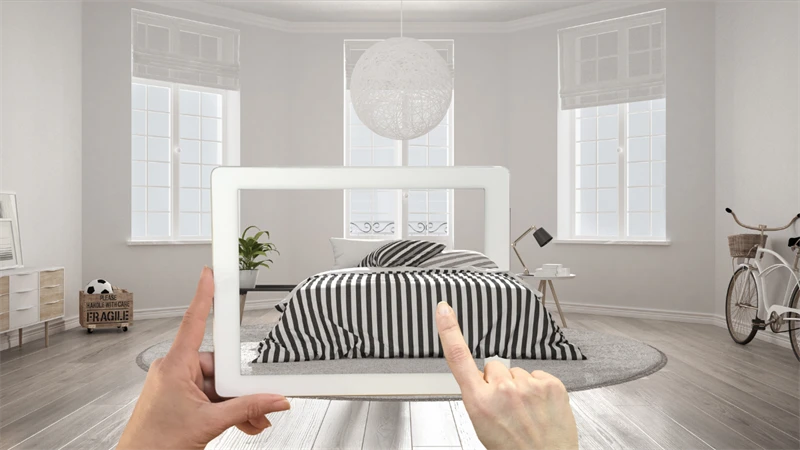
The advent of Virtual Reality (VR) and Augmented Reality (AR) has introduced a paradigm shift in the realm of digital marketing. These technologies have broken down the barriers of traditional marketing strategies, ushering in an era of immersive and interactive customer experiences.
VR and AR: Revolutionizing the Digital Marketing Arena
Virtual Reality and Augmented Reality are radically altering the landscape of digital marketing. Here's how:
-
Immersive Experiences: Virtual Reality and Augmented Reality devices offer animated experiences that afford customers unique opportunities to handle products and services. In the case of online shopping, which promotes accessibility but lacks the convenience of physical shopping, to tackle problems, immersive technologies created for enhanced UX come to the rescue. For instance, VR enables prospective customers to put on headsets and “walk” through a digital showroom where they can interact with spatial relationships and scale far better in ways that surpass static images or videos. AR technology enables users to view real-world places while superimposing imaginary concepts using mobile phones. A shopper searching for a new coffee table can browse it in AR. The application allows her to virtually place the furniture item at life size in her sitting room. That's highly contextualized visualization, which increases ROI and lowers return ratios drastically.
-
Enhanced Customer Engagement: These modern technologies enable brands to captivate customers on multiple levels by turning the buying process into an experience. Customers associating themselves with brands can strengthen an emotional bond. They can also participate in VR product demos or exploratory gamified shopping, rather than simply consuming passive content, through character-driven virtual augmented reality filters. Active participation leads to greater brand engagement and increased chances of sharing activities on social media platforms. A good example is the AR application, which allows potential consumers to wear outfits and makeup virtually. As a result, many users who shared this experience not only engaged with the product but also increased brand visibility. Effective two-way communication is the new marketing mantra, allowing instant conversation and response, unlike the traditional one-sided approach.
-
Personalization: Enabling users to enter and browse bespoke virtual shops is one example demonstrating how AR and VR will be employed to improve customer experience and foster loyalty. By utilizing AR and VR systems, marketers can provide brands and retailers with unparalleled opportunities to personalize the journeys leading to deep interaction. More often than not, personalization in digital marketing has meant sending tailored emails or recommending products, to a degree. This can be easily achieved by suggesting movie genres based on history. Likewise, AR apps can suggest items based on a customer’s tastes, such as showing how a specific chair goes with their set decor or advertising some trendy add-ons. This kind of marketing gives people the feeling of personal attention, which is very important for gaining customer loyalty.
Furniture Marketing Pro's Innovative Application of VR and AR
Furniture Marketing Pros, a leading digital marketing company in the US, has tapped into the potential of VR and AR, incorporating them into their marketing strategies. Let's explore how they are wielding these technologies:
-
Creating Immersive Product Showcases: Furniture Marketing Pros uses VR and AR for showcasing products in an immersive manner. Customers can virtually try products or explore services, providing them a real-time experience that bolsters confidence and decision-making, leading to increased conversions.
-
Interactive Ad Campaigns: Furniture Marketing Pros deploys VR and AR to create interactive ad campaigns, providing an engaging and unforgettable experience that stirs up brand visibility and recall.
-
Virtual Tours and Events: Furniture Marketing Pro crafts virtual tours and events for their clients. This feature allows customers to explore products, services, or even locations from the comfort of their homes, thus improving customer satisfaction and boosting online engagement.
-
Geo-located AR Marketing: Furniture Marketing Pros harnesses AR for geo-located marketing, offering customers real-time information, offers, and services based on their geographical location. This strategy helps drive footfall to brick-and-mortar stores and fosters local engagement.
To conclude, Furniture Marketing Pro's progressive use of VR and AR is setting new benchmarks in the digital marketing sphere. These technologies empower the company to deliver enhanced customer experiences, creating a distinct and impactful brand image for their clients. As the digital marketing landscape evolves, the strategic adoption of VR and AR will play a pivotal role in ensuring marketing success and customer satisfaction.
